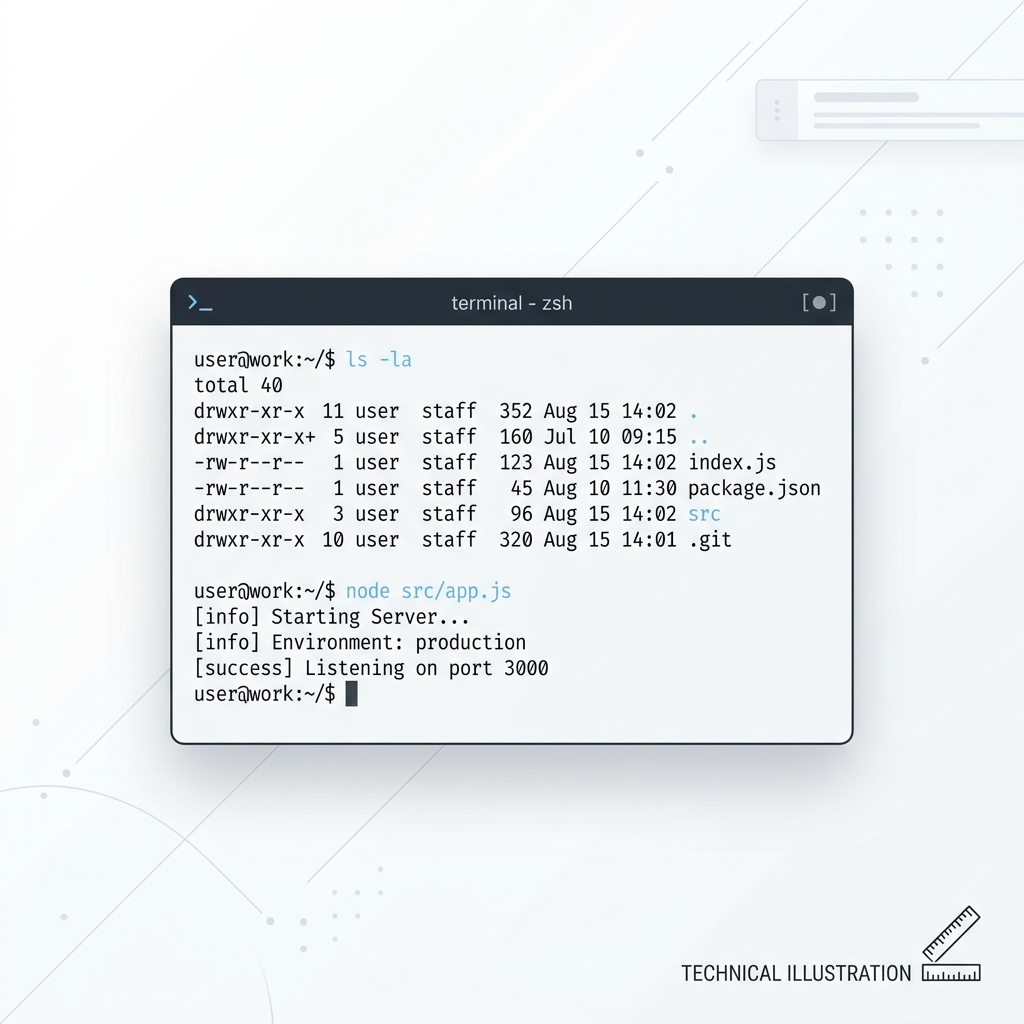
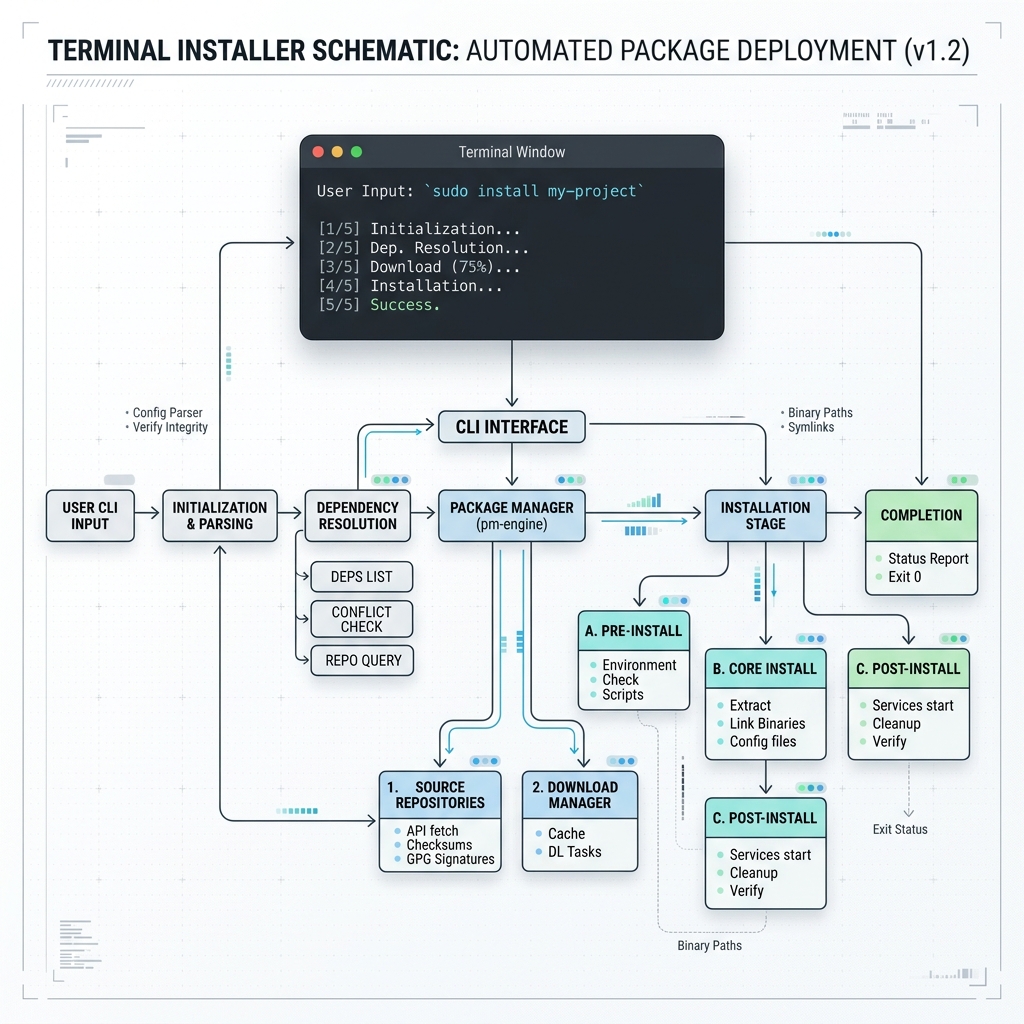
The landscape of developer tooling is transitioning rapidly from inline code completion plugins to autonomous terminal AI agents. Rather than just suggesting auto-complete snippets, modern terminal agents inspect local repositories, execute bash commands, run automated test suites, evaluate error tracebacks, and manage git worktrees.
Three primary contenders dominate this domain: Anthropic’s Claude Code CLI, OpenAI Codex, and the open-source OpenCode framework.
This guide provides an architectural, benchmark, and cost comparison across all three platforms.
📊 Executive Summary & Head-to-Head Matrix
flowchart TD
    Task[Terminal Task Goal] --> ChooseAgent{Select Terminal Agent}
    ChooseAgent -->|Anthropic Enterprise / Sonnet 5| ClaudeCode[Claude Code CLI]
    ChooseAgent -->|OpenAI Ecosystem / API| Codex[OpenAI Codex]
    ChooseAgent -->|Local LLMs / Open Source| OpenCode[OpenCode Agent]
Feature & Capability Comparison
| Metric / Dimension | Anthropic Claude Code CLI | OpenAI Codex | OpenCode (Open Source) |
|---|---|---|---|
| Primary Execution Engine | Claude 3.7 Sonnet / Opus 4.8 | GPT-4o / Codex API | Any Model (Ollama / Local / API) |
| Native Context Window | 1,000,000 Tokens (Sonnet 5) | 128,000 Tokens | Variable (Model Dependent) |
| SWE-bench Verified Score | 70.3% | 49.2% | Variable |
| TerminalBench 2.1 Score | 88.8% | 65.4% | Variable |
| Execution Loop Architecture | Stateful Observe-Plan-Act-Verify | Request-Response Prompt Loop | Configurable Agent Loop |
| Permission Controls | 3-Tier Security + Shift+Tab | Custom System Prompts | Middleware Rules |
| Local Model Support | API Only (Anthropic Console) | API Only (OpenAI) | Yes (Ollama, vLLM, SGLang) |
| License Type | Proprietary CLI Client | Proprietary API Platform | MIT Open Source License |
🧠 1. Architectural Deep Dive
Anthropic Claude Code CLI
Claude Code operates directly on your POSIX terminal shell. It builds a localized, lightweight AST index of your project files (excluding .gitignore patterns), executing atomic tool calls (FileRead, FileEdit, BashRun, GrepSearch) inside a stateful Observe-Plan-Act-Verify (OPAV) execution loop.
OpenAI Codex
OpenAI Codex operates primarily as an API-driven code synthesis engine. While highly effective at isolated function generation and single-file edits, it lacks a native, interactive terminal TUI runtime wrapper out of the box, requiring secondary CLI tools or IDE plugins to manage context.
OpenCode (Open-Source Terminal Agent)
OpenCode is an open-source terminal framework designed for maximum customization. It allows developers to plug in local LLMs running via Ollama, vLLM, or SGLang (e.g. DeepSeek R1, Llama 3.3 70B), freeing engineering teams from proprietary API vendor lock-in.
⚡ 2. Context Windows & Context Compression
- Claude Code CLI: Features a native 1M-token context window powered by Sonnet 5 and Opus 4.8. It leverages Ephemeral Prompt Caching to reduce token costs by up to 90% and includes the
/compactcommand to summarize long multi-turn sessions automatically. - OpenAI Codex: Operates within standard 128k context limits, requiring frequent prompt truncation when analyzing multi-file project repositories.
- OpenCode: Context window size depends on the underlying model provider (e.g., DeepSeek R1 64k vs Llama 3.3 128k).
💰 3. Pricing & Token Economics
Cost Breakdown per 1,000,000 Tokens:
-------------------------------------------------------------------
Claude 3.7 Sonnet (Standard Input):   $3.00 USD
Claude 3.7 Sonnet (Cached Input):     $0.30 USD (90% Savings)
GPT-4o (Standard Input):              $2.50 USD
Local Models via OpenCode (Ollama):   $0.00 USD (Self-Hosted Hardware)
-------------------------------------------------------------------
🏆 Final Verdict & Decision Matrix
- Choose Claude Code CLI if: You need the highest SWE-bench accuracy (70.3%), deep multi-file repo refactoring, strict permission security, and native 1M context caching.
- Choose OpenAI Codex if: Your stack is deeply embedded in the OpenAI API ecosystem or Azure OpenAI Service endpoints.
- Choose OpenCode if: You require 100% open-source software, complete data privacy, and the ability to run local models offline via Ollama.
Related Guides & Workflows
- For complete CLI shortcuts, read Claude Code Cheat Sheet.
- For desktop agent comparisons, see Claude Cowork Desktop Agent Guide.
- For agent loop mechanics, explore Inside Claude Code Agent Loop Architecture.