
The SQLite State-Sharing Pattern for Multi-Agent Architectures
When building multi-agent systems, managing communication and state sharing between modules is a key design consideration. While message-passing protocols or webhooks are common, using a shared database like SQLite offers major advantages in error isolation, transaction locking, and process scheduling.
The Architecture Pattern
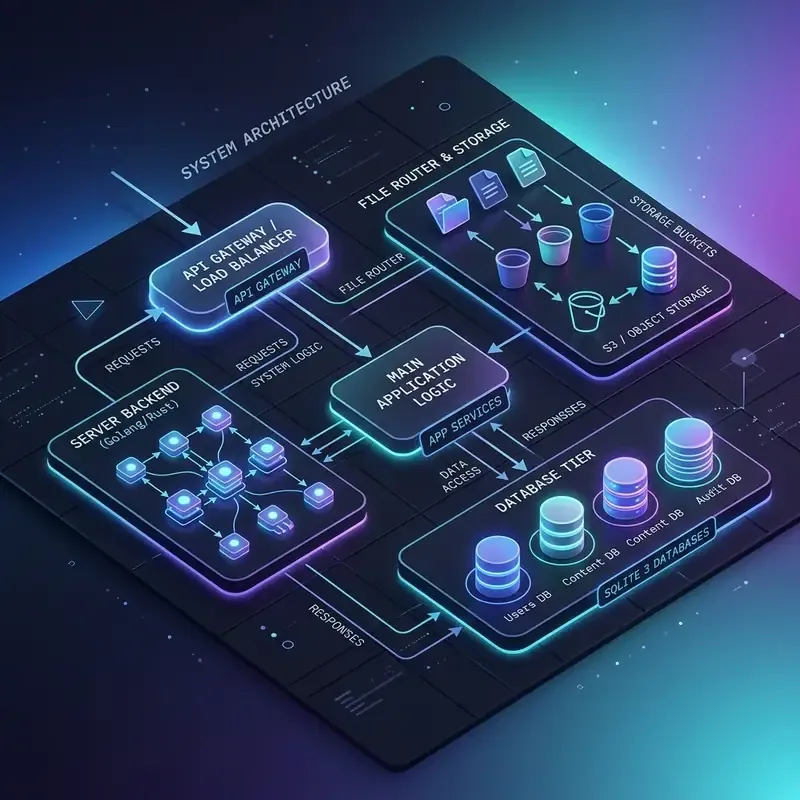
Instead of direct message exchange, agents interact through a structured database schema:
[Agent 1 (Planner)] ──➔ [ Write Job to DB (State: 'pending') ]
                                     │
                                     ▼
                              [(SQLite Database)]
                                     ▲
                                     │
[Agent 2 (Worker)]  ──➔ [ Fetch & Update State (State: 'running') ]
SQLite Coordination Mechanics
This pattern resolves coordination challenges through three core database features:
1. Database Transaction Locks
To prevent race conditions where multiple worker agents attempt to fetch and lock the same task simultaneously, the SQLite coordinator uses standard transaction locks (utilizing BEGIN IMMEDIATE or BEGIN EXCLUSIVE commands). This serializes write operations, ensuring only one agent registers as the active worker for a given task ID.
2. Relational Constraints & Task Queues
SQLite’s support for relational columns allows developers to enforce task queues based on foreign key mappings or status flags (e.g. Agent B cannot query a task unless the predecessor task has a status column of completed).
3. Fail-Safe Error Isolation
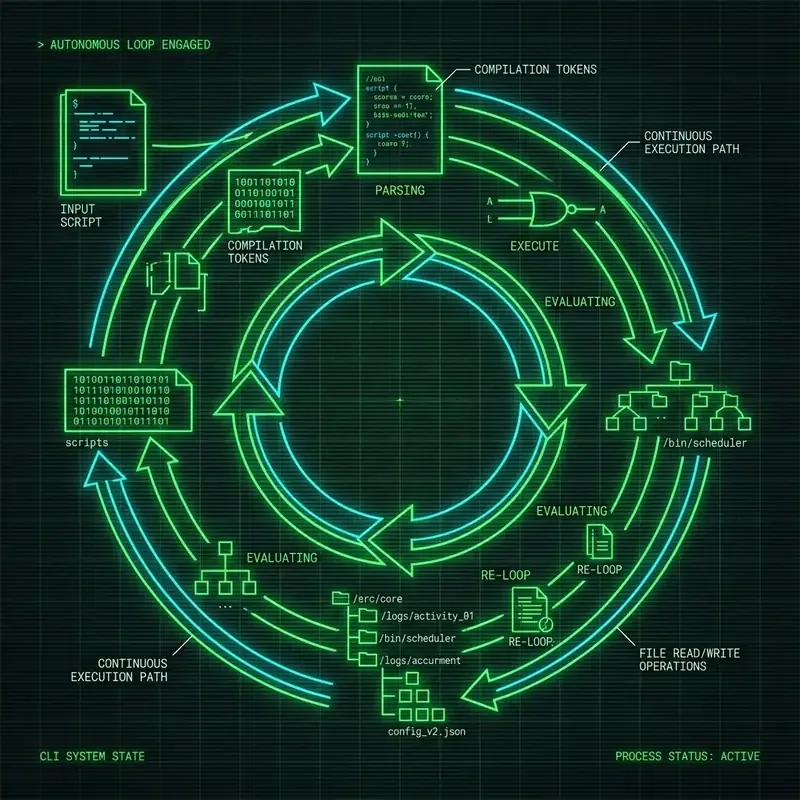
If a worker agent crashes or encounters a network API timeout, the orchestrator detects the lapse via task heartbeats or timeouts recorded in the database. Because the state is saved persistently on the filesystem, the system can mark the task as failed and trigger a retry without losing execution history.
Image Metadata
- Hero Image:
- Prompt: “Interlocking frosted glass prisms reflecting soft cyan lights, pristine white background, modern geometric art style”
- Filename: “sqlite-agent-hero.jpg”
- Alt: “Frosted glass prisms reflecting cyan light”
- Supporting Visual 1:
- Prompt: “Minimal graphic mapping a database model schema with tables and lines, pastel blue color details”
- Filename: “database-schema-map.jpg”
- Alt: “Relational database map”
- Supporting Visual 2:
- Prompt: “Close-up of a designer metal drafting tool and clean grid paper sitting on a minimalist white desk”
- Filename: “drafting-tool-desk.jpg”
- Alt: “Workspace drafting tool detail”